
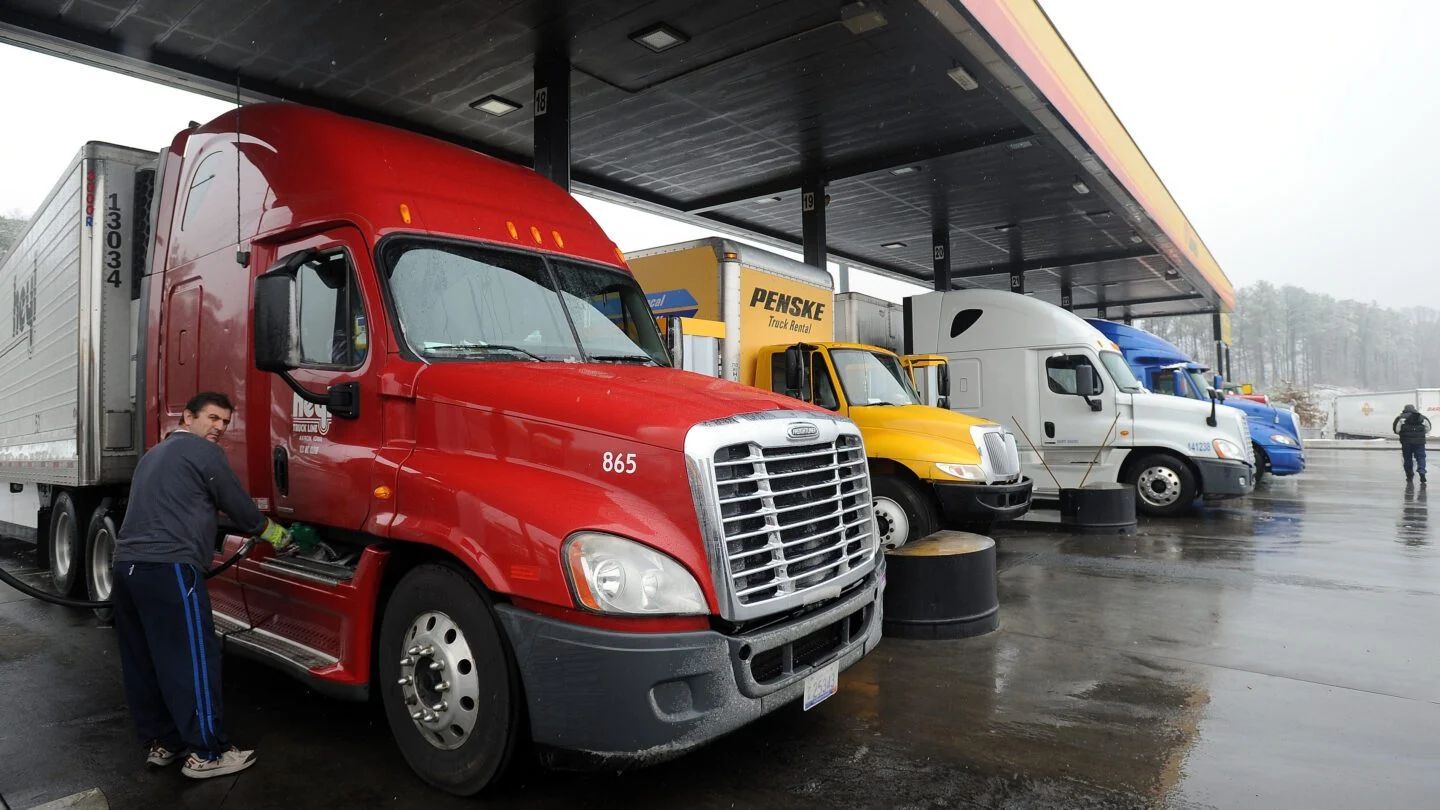
Non-Trucking Liability Insurance in Atlanta, GA: The Complete Guide for Owner-Operators
If you drive for a carrier out of a terminal near the I-75/I-85 Connector, load out of the warehouse corridor along I-285, or run leased authority through one of the logistics hubs feeding Hartsfield-Jackson’s cargo ramps, you already know that Atlanta is one of the busiest freight markets in the Southeast. What a lot of owner-operators in metro Atlanta don’t fully understand, though, is what happens to their insurance coverage the moment they drop their trailer, log off dispatch, and head home in their own truck. That gap is exactly where non-trucking liability insurance comes in, and it is one of the most misunderstood — and most important — coverages a leased-on driver in Georgia can carry.
This guide walks through what non-trucking liability insurance actually is, why it matters specifically for truckers operating in and around Atlanta, Fulton County, and the wider Georgia freight network, who legally needs it, what it covers, what it does not cover, and how local owner-operators can find the right policy without overpaying. Whether you’re a first-year lease operator out of a Fulton Industrial Boulevard terminal or a seasoned driver running regional loads across the Southeast, understanding this coverage can protect your authority, your assets, and your ability to keep working.
What Is Non-Trucking Liability Insurance?
Non-trucking liability insurance, often shortened to NTL or “bobtail liability” in casual conversation (though the two are technically different, more on that below), is a specialized auto liability policy designed for owner-operators who are leased on to a motor carrier. It provides liability protection for the truck when it is being used for personal reasons and is not under dispatch, not carrying a load for the carrier, and not operating under the motor carrier’s DOT authority.
Think of it this way: when you’re hauling a load under your carrier’s operating authority, the carrier’s commercial auto liability policy is typically the primary coverage responding to any accident. But the moment you drop the trailer and drive that same tractor to get groceries, head home for the weekend, or take it in for routine maintenance, you’re no longer operating under the carrier’s authority. At that point, the carrier’s policy generally will not respond to a claim, and without your own coverage, you — the owner-operator — are personally exposed to any liability arising from an accident. This coverage exists to close that exposure.
In simple terms, this coverage protects you and your truck during the “in between” moments: after you’ve dropped a trailer but before you’re back under dispatch, or any time the vehicle is being used for personal, non-business purposes rather than for the trucking operation itself.
Non-Trucking Liability vs. Bobtail Insurance: What’s the Difference?
Because these terms get used interchangeably so often, it’s worth clarifying the distinction, especially for Atlanta-based drivers negotiating their first lease agreement.
Bobtail insurance technically covers the truck when it is being driven without a trailer, but still in connection with the trucking business — for example, driving to pick up a load, driving back from a delivery, or repositioning between job assignments. This coverage, on the other hand, applies to the truck during genuinely personal use, unrelated to the trucking business entirely.
In practice, many insurance carriers and leasing companies bundle these two coverages into a single policy that most people simply call “non-trucking liability insurance” or “bobtail coverage” as a catch-all term. If you’re an owner-operator based in Atlanta and you’re not sure exactly which scenarios your current policy covers, it’s worth asking your agent to walk through the specific language, because the difference can matter significantly if a claim ever arises.
Why Atlanta and Georgia Owner-Operators Need Non-Trucking Liability Insurance Coverage
Georgia’s freight network is dense, fast-moving, and increasingly congested, which raises the odds of an accident happening during those “off-dispatch” personal miles. A few local factors make this type of coverage especially relevant for drivers based in and around Atlanta, and they’re worth understanding before you sign a lease agreement with any carrier operating in the region:
Heavy interstate congestion. The I-75/I-85 Connector through downtown Atlanta is consistently ranked among the most congested stretches of interstate in the country. Add I-285’s perimeter traffic and the freight-heavy stretches of I-20, and Atlanta-based owner-operators spend a lot of personal drive time navigating high-traffic corridors even when they’re not under dispatch.
Terminal density along Fulton Industrial and the airport corridor. Many leased-on drivers based near Fulton Industrial Boulevard, South Fulton, Forest Park, and the warehouse clusters around Hartsfield-Jackson routinely drop trailers at a yard and then drive their tractor home or to a fuel stop. Every one of those trips is exactly the kind of personal-use mileage this coverage is built to handle.
A large population of leased owner-operators. Metro Atlanta is home to a substantial number of owner-operators leased to regional and national carriers rather than running under their own authority. Most lease agreements require the driver, not the carrier, to carry this coverage, which means it’s often a contractual obligation before a Georgia driver can even start hauling.
Weather and seasonal risk. Georgia’s summer thunderstorms, occasional winter ice events on Atlanta’s hills and overpasses, and heavy regional traffic all add to the everyday risk a truck faces even during non-business use.
Put simply, if you’re leased on and living or basing out of the Atlanta metro area, your truck is likely spending real time on the road outside of dispatch — and this coverage is what stands between you and significant personal financial exposure during those miles.
Who Actually Needs Non-Trucking Liability Insurance?
Not every trucking business needs this coverage, so it helps to break down who it applies to.
Leased owner-operators. If you own your truck but lease your operating authority to a motor carrier, you almost certainly need non-trucking liability insurance. Most carriers require proof of it before they’ll dispatch you, and it’s frequently written directly into the lease agreement.
Owner-operators with their own authority. If you run entirely under your own DOT authority and your commercial auto liability policy is written broadly enough to cover personal use of the truck, you may not need a separate policy. However, many primary policies specifically exclude personal-use mileage, so it’s worth having an agent confirm exactly how your existing policy is structured.
Fleet owners with leased drivers. If you operate a small fleet and lease drivers who use company-titled trucks for personal errands between loads, this type of coverage (or a similar endorsement) may be necessary to close the same gap.
Company drivers. If you drive a truck owned entirely by a carrier and you’re a W-2 employee rather than a leased owner-operator, this coverage generally isn’t your responsibility — that risk sits with the carrier.
For most Atlanta-area leased owner-operators, though, non-trucking liability insurance isn’t optional in any practical sense. It’s a baseline requirement to keep hauling loads.
What Non-Trucking Liability Insurance Covers
A standard policy typically includes:
- Bodily injury liability for injuries to third parties caused by an at-fault accident while the truck is in personal, non-business use.
- Property damage liability for damage to another person’s vehicle or property during a covered personal-use accident.
- Legal defense costs if you’re sued as a result of an accident that occurred during non-business use of the truck.
What it typically does not cover:
- Cargo. Because the truck isn’t hauling a load under dispatch, there’s nothing to insure from a cargo standpoint.
- Physical damage to your own truck. Non-trucking liability insurance is a liability-only product in most cases. If you want your own tractor covered for collision or comprehensive damage during personal use, you’ll usually need a separate physical damage policy or an endorsement that extends existing physical damage coverage to non-business use.
- Trips made under dispatch. As soon as you’re carrying a load or operating under the carrier’s authority, this coverage stops applying, and the carrier’s primary liability policy takes over.
- Trailer interchange. If you’re pulling a trailer that belongs to someone else, even without a load, that scenario usually falls outside a standard policy and may require a separate trailer interchange endorsement.
Because the line between “personal use,” “bobtailing for business,” and “under dispatch” can get blurry, it’s worth having an Atlanta-based agent walk through real-world scenarios specific to your route and lease agreement so you know exactly when your policy applies.
Georgia-Specific Considerations for Non-Trucking Liability Insurance
Lease agreement requirements. Georgia-based carriers, like carriers everywhere, typically spell out minimum liability limits for this coverage in the lease agreement — commonly $1,000,000 in combined single limit coverage, though some carriers accept lower limits depending on their own risk tolerance. Before signing a lease with an Atlanta or Georgia-based carrier, read the insurance requirements section closely.
FMCSA and DOT compliance. While this coverage itself isn’t a filing required by the Federal Motor Carrier Safety Administration the way BOC-3 or MCS-90 filings are, carriers still need documentation that a leased driver carries adequate coverage before they’ll allow that driver to bobtail or drive the truck off-dispatch under the carrier’s name.
State minimum liability requirements. Georgia sets its own minimum auto liability requirements for personal vehicles, but commercial trucks used for business purposes — even during off-dispatch personal use — are usually held to a higher standard by the leasing carrier than Georgia’s baseline personal auto minimums. That’s part of why lease agreements specify their own limits rather than relying on state minimums alone.
Local claims environment. Metro Atlanta’s dense traffic and higher accident frequency compared to more rural parts of Georgia can influence how insurance carriers price non-trucking liability insurance policies for drivers based in Fulton, DeKalb, Clayton, and Cobb counties versus drivers based further out in rural Georgia.
How Much Does Non-Trucking Liability Insurance Cost in Atlanta?
Pricing for this coverage varies based on several factors, and Atlanta-based owner-operators should expect some regional variation compared to drivers in less congested parts of the state. Typical pricing factors include:
- Coverage limits. Higher liability limits, such as the $1,000,000 combined single limit many carriers require, cost more than lower limits.
- Driving record. A clean CDL record with no recent at-fault accidents or major violations generally results in lower premiums.
- Truck age and value. Newer, higher-value tractors can sometimes affect pricing depending on how the policy is structured.
- Years of experience. Drivers with more time behind the wheel, particularly with a clean safety record, typically see better rates than newer entrants to the industry.
- Base location. Because Atlanta’s traffic density and accident frequency differ from rural Georgia, insurance carriers may price this coverage slightly differently for drivers garaging their truck inside the metro area versus those based in more rural counties.
- Prior insurance history. Lapses in coverage or a history of cancelled policies can push premiums higher.
Because this coverage is a relatively low-mileage, liability-only product compared to a full commercial auto policy, it’s generally one of the more affordable coverages an owner-operator carries — but pricing still varies enough between carriers that it pays to compare quotes rather than accept the first number offered.
Common Mistakes Atlanta Owner-Operators Make with Non-Trucking Liability Insurance
Assuming the carrier’s policy covers personal use. This is probably the single most common and most costly misunderstanding among new leased operators. The carrier’s commercial policy is written to cover business use under dispatch, not personal errands.
Letting the policy lapse between leases. If you switch carriers, there can be a temptation to let coverage lapse during the transition. Doing so not only creates a gap but can also make it harder to get favorable rates when you go to reinstate coverage, since insurance carriers often view a lapse as a red flag.
Confusing bobtail coverage with full non-trucking liability insurance coverage. As covered above, these aren’t always the same thing. Make sure you know precisely which scenarios your policy responds to.
Under-insuring to save money. Some drivers choose the state minimum or the lowest limit their carrier will technically accept, without accounting for how quickly a serious accident’s liability exposure can exceed a low policy limit — leaving the driver personally on the hook for the difference.
Not disclosing the truck’s actual use. Misrepresenting how often the truck is used personally versus for business, even unintentionally, can create problems at claim time. Being upfront with your agent about typical routes, how often you bobtail through neighborhoods around Fulton Industrial or the airport corridor, and how the truck is actually used helps ensure the policy is structured correctly from the start.
How to Choose the Right Non-Trucking Liability Insurance Policy
Confirm your carrier’s minimum requirement first. Before shopping, get the exact insurance requirements from your lease agreement in writing. Most Atlanta and Georgia-based carriers will specify a minimum liability limit for this coverage, and your policy needs to meet or exceed it.
Work with an agency that understands Georgia’s trucking market. A local agency familiar with Atlanta’s freight corridors, lease-on requirements, and the specific carriers operating in and out of metro Atlanta can help you avoid coverage gaps that a generic, out-of-state broker might miss.
Ask about bundling. Many owner-operators find it more efficient — and sometimes more affordable — to bundle non-trucking liability insurance with physical damage coverage, occupational accident insurance, or general liability through the same agency rather than juggling separate policies and renewal dates with multiple carriers.
Compare more than price. The cheapest policy isn’t always the best value if it comes with a slow claims process, limited customer service, or a carrier unfamiliar with trucking-specific claims. Ask how claims are handled and how quickly a Certificate of Insurance can be issued when you switch or add a carrier.
Reassess coverage when your situation changes. If you change trucks, take on a new lease, move your base of operations within Georgia, or start hauling different types of freight, it’s worth revisiting your coverage to make sure the policy still fits.
Frequently Asked Questions About Non-Trucking Liability Insurance
Is non-trucking liability insurance required by law in Georgia? It isn’t mandated directly by Georgia state law or by federal DOT regulation in the way that primary commercial auto liability is. However, it is almost universally required by motor carriers as a condition of leasing on, which makes it a practical necessity for the vast majority of leased owner-operators.
Does non-trucking liability insurance cover me if I’m hauling a load for another company on the side? No. This coverage only applies to personal, non-business use of the truck. If you’re hauling any load, for any company, you’re operating in a business capacity, and a different policy needs to respond.
Can I get non-trucking liability insurance if I’m a new authority holder? This coverage is designed specifically for leased owner-operators, not for carriers running entirely under their own authority. If you hold your own authority, you’ll typically need your personal-use exposure addressed through your primary commercial auto policy instead.
How fast can I get proof of non-trucking liability insurance in Atlanta? Many agencies serving the Atlanta market, including agencies that offer instant Certificate of Insurance access, can issue proof of coverage same-day, which matters when a carrier needs documentation before dispatching you.
Will non-trucking liability insurance cover an accident that happens while I’m bobtailing to pick up a load? This depends on how your specific policy defines covered use. Some policies exclude bobtailing to or from a load pickup because that’s considered business use, while a separate bobtail endorsement may be needed. This is exactly the kind of detail worth confirming with your agent before you need it.
Working with a Local Atlanta Agency for Non-Trucking Liability Insurance
Because this coverage sits in the gray area between personal and business use, and because Georgia’s carriers each set their own minimum requirements, working with an agency that understands both the insurance side and the day-to-day realities of Atlanta’s freight corridors makes a meaningful difference. A knowledgeable agent can help you determine the right liability limit, confirm exactly what your lease agreement requires, explain the difference between bobtail and non-trucking liability insurance coverage in plain language, and get you documentation quickly so you’re not sitting idle waiting on paperwork.
For owner-operators leased on to carriers running loads through metro Atlanta, Fulton County, and the broader Georgia freight network, non-trucking liability insurance isn’t just another line item — it’s the coverage that protects your personal assets every time you’re behind the wheel of your own truck but off the clock. Getting it right from the start means one less thing to worry about the next time you drop a trailer and head home.
If you’re an Atlanta-area owner-operator who needs this coverage, wants a second opinion on your current policy, or is comparing options before signing a new lease, reach out for a quote tailored to how and where you actually drive. Understanding your coverage before you need it is always better than finding out what it doesn’t cover after an accident.
Get a quote now! Contact us here!

Leave a Reply