
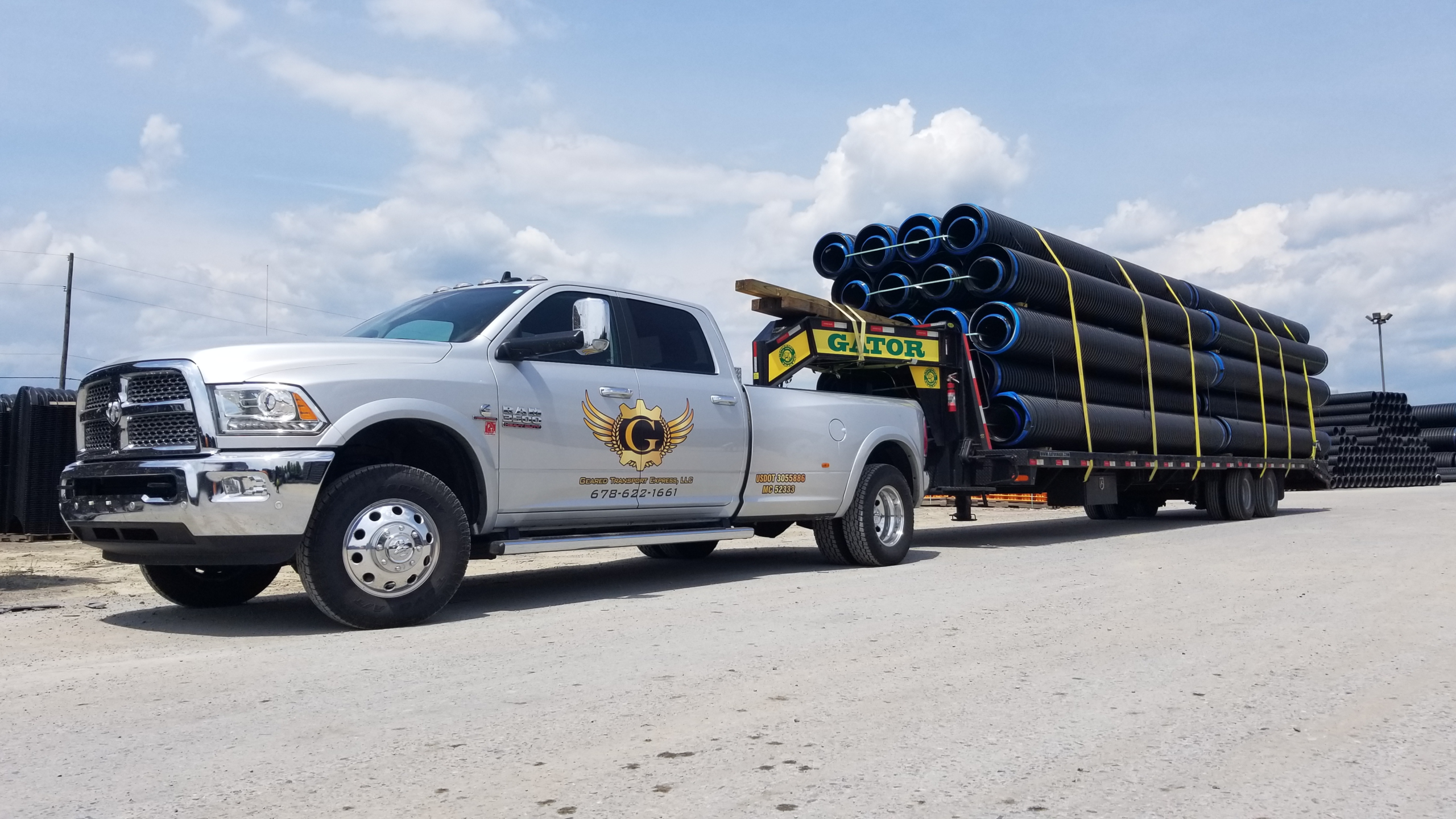
Hotshot Trucking Insurance in Atlanta, GA: The Complete Guide for Georgia Owner-Operators
If you run a hotshot rig anywhere between the Perimeter and the Georgia state line, you already know the freight doesn’t wait — and neither should your coverage. Hotshot trucking insurance is the one piece of your business that determines whether a blown deadline, a cargo claim, or a fender-bender on I-285 turns into a bad day or a business-ending event. At Atlanta Commercial Truck Insurance, we work with hotshot haulers across Fulton County, Cobb County, Gwinnett County, and the broader metro Atlanta region every week, and we’ve put together this guide to walk you through exactly what you need to know before you sign a policy.
This isn’t a generic national overview. It’s written specifically for Georgia hotshot operators — the guys pulling gooseneck and bumper-pull trailers behind three-quarter-ton and one-ton pickups, hauling time-critical freight for construction sites, oilfield equipment yards, agricultural operations, and manufacturing plants scattered from the Perimeter all the way down to Macon and out to Augusta.
What Is Hotshot Trucking, and Why Does It Need Its Own Insurance Category?
Hotshot trucking is a niche segment of the freight industry built around speed. Instead of running a full 53-foot dry van, a hotshot operator uses a heavy-duty pickup truck — typically a Ford F-350, Ram 3500, or Chevrolet Silverado 3500HD — paired with a flatbed, gooseneck, or tilt trailer to move smaller, time-sensitive loads quickly. Think construction equipment, oilfield parts, machinery, livestock trailers, and expedited freight that a shipper needs moved today, not next week.
Because hotshot rigs blur the line between personal-use pickup and commercial big rig, standard personal auto policies won’t touch them once they’re used for hire, and standard commercial trucking policies aren’t always built around the unique weight classes, trailer configurations, and driving patterns hotshot operators use. That gap is exactly why hotshot trucking insurance exists as its own product category. A properly written policy accounts for the combined weight of your truck and trailer, the type of freight you’re hauling, whether you’re running under your own DOT authority or leased to a carrier, and how far you travel outside Georgia on a given run.
Why Atlanta and Georgia Hotshot Operators Face Unique Risk Factors
Georgia’s geography makes it one of the busiest hotshot corridors in the Southeast. Atlanta sits at the crossroads of I-75, I-85, and I-20, which means a huge share of the freight moving between the Midwest, the Southeast, and Florida rolls straight through metro Atlanta traffic. Add in the Port of Savannah — one of the fastest-growing container ports in the country — and Georgia hotshot haulers are constantly pulling drayage-adjacent freight, construction equipment, and time-sensitive parts across some of the most congested interstate stretches in the nation.
That congestion matters when you’re shopping for hotshot trucking insurance coverage. Underwriters look closely at where you’re based and where you typically run. A driver operating primarily around the Atlanta metro — with its dense traffic on the Downtown Connector, frequent construction zones on I-285, and unpredictable weather swings from summer thunderstorms to the occasional ice event — represents a different risk profile than a driver working rural routes in south Georgia. Local agents who understand these Atlanta-specific patterns, rather than a call-center agent working from a national script, can often structure a more accurate and more competitively priced policy because they’re pricing your actual operating environment instead of a generic template.
Seasonal risk plays a bigger role in Georgia underwriting than a lot of new operators expect. Summer months bring sudden, heavy thunderstorms that reduce visibility on I-75 and I-285 with little warning, while winter occasionally brings an ice event that shuts down bridges and overpasses across metro Atlanta for a day or two at a time. Peach season and back-to-school season also bring a spike in agricultural and retail freight moving through the state, which means more trucks — hotshot and otherwise — sharing the same lanes. None of this should scare you away from the business, but it’s exactly the kind of local detail a Georgia-based agent factors into your policy instead of treating your risk the same way they’d treat a driver in Arizona or Ohio.
Core Coverages Every Georgia Hotshot Trucking Insurance Policy Should Include
When you’re comparing quotes, it helps to know what you’re actually looking at line by line. A well-built hotshot trucking insurance policy typically includes the following components.
Commercial Auto Liability is the foundation of any policy and the coverage Georgia and the FMCSA require before you can legally haul for hire. It pays for bodily injury and property damage you cause to others in an at-fault accident. Georgia requires minimum liability limits for intrastate operations, and if you’re crossing state lines, federal minimums apply — often $750,000 or more depending on your cargo.
Physical Damage Coverage protects your own truck and trailer against collision, fire, theft, vandalism, and weather-related losses. Given how much a one-ton diesel pickup and a gooseneck trailer can cost to replace, skipping physical damage coverage to save a few dollars a month is one of the most common — and costliest — mistakes new hotshot operators make.
Motor Truck Cargo Insurance covers the freight you’re hauling if it’s damaged, lost, or stolen while in your care, custody, and control. Since hotshot loads are often high-value equipment or time-critical parts, cargo coverage limits matter more here than they do for many other trucking segments. A shipper moving a $40,000 piece of construction equipment expects you to carry cargo limits that actually match the freight’s value.
General Liability protects you against claims that fall outside your auto policy, such as an incident at a shipper’s yard while you’re loading or unloading. Many shippers and brokers won’t dispatch loads to you without proof of general liability on file.
Non-Trucking Liability (Bobtail Coverage) applies when you’re driving your truck for personal use or between dispatches, not under a load. If you lease to a motor carrier, this coverage fills the gap when the carrier’s policy isn’t active.
Trailer Interchange Coverage matters if you regularly swap trailers with other operators or carriers, protecting you against damage to trailers you don’t own but are temporarily responsible for.
Hotshot Trucking Insurance Coverage vs. Standard Commercial Trucking Coverage
New operators sometimes assume they can simply buy a standard commercial auto policy and call it a day. In practice, the two products diverge in ways that matter at claim time. Standard commercial trucking policies are typically written around tractor-trailer combinations, fixed weight classes, and driver pools tied to a single motor carrier. Hotshot operations, by contrast, involve pickups pulling gooseneck, tilt, or bumper-pull trailers, frequently changing loads, and combined weight ratings that can shift from run to run depending on what’s on the trailer.
Underwriters who specialize in this niche understand how to rate a truck-and-trailer combination correctly, how to price cargo limits that match the equipment you actually haul, and how to structure liability limits that satisfy both Georgia intrastate rules and federal interstate requirements if you cross state lines. A generic policy written by an underwriter unfamiliar with hotshot operations can leave gaps — undervalued cargo limits, missing non-trucking liability, or a physical damage valuation that doesn’t reflect what a one-ton diesel truck and a 30-foot gooseneck trailer actually cost to replace. Working with an agency that places this type of business regularly, rather than occasionally, tends to close those gaps before they become a problem.
What Happens After an Accident or Cargo Claim
Even with a solid policy in place, it helps to know what the claims process actually looks like so you’re not caught off guard on the side of I-20 at midnight. The first step is always safety — get your truck and trailer clear of traffic if possible, check for injuries, and call 911 if needed. From there, document everything: photos of all vehicles involved, the trailer, the cargo, road conditions, and any visible damage. Get the other driver’s insurance information and a police report number if law enforcement responds to the scene.
Notify your agent or carrier as soon as possible, ideally the same day. Most carriers that specialize in hotshot risk have a 24/7 claims line specifically because breakdowns and accidents don’t happen on a nine-to-five schedule. If cargo was damaged or lost, keep the bill of lading, any rate confirmation from the broker or shipper, and photos of the freight itself — this documentation speeds up your cargo claim significantly. A responsive agency will also help you understand your deductible, coordinate a repair shop if physical damage coverage applies, and keep the shipper or broker informed so you don’t lose future business over a single incident.
How Much Does Hotshot Trucking Insurance Cost in Atlanta?
Hotshot trucking insurance pricing varies more in this segment than almost any other type of trucking coverage, because hotshot operations vary so widely — from a brand-new owner-operator running local Fulton County construction loads to an experienced driver running long-haul freight from Atlanta to Texas every week. That said, most Georgia hotshot operators can expect a range of roughly $700 to $1,500 per month depending on several factors:
- Radius of operation. A driver staying within Georgia and neighboring states will typically see lower rates than one running coast to coast.
- Cargo type and value. Hauling raw materials carries different risk than hauling finished machinery or hazardous equipment.
- Years of experience and driving record. New authority and a thin driving history usually means higher premiums until you build a track record.
- Truck and trailer value. Newer, higher-value equipment costs more to insure for physical damage.
- Coverage limits and deductibles. Higher liability limits and lower deductibles both raise the monthly premium.
- DOT authority status. Operating under your own authority versus leased to a carrier changes what coverage you’re legally required to carry.
The right agent will walk through each of these variables with you and shop multiple carriers rather than pushing a single one-size-fits-all quote. That’s the advantage of working with a local Atlanta-based agency that shops your hotshot trucking insurance across several markets instead of representing just one insurance company.
Georgia DOT Compliance and Federal Filing Requirements for Hotshot Trucking Insurance
Before you can legally operate as a hotshot carrier in Georgia, there’s a compliance layer that goes hand-in-hand with your insurance. If your combined truck and trailer gross vehicle weight rating exceeds 10,001 pounds and you’re hauling for hire, you’ll generally need a USDOT number, and depending on your cargo and operating radius, you may need MC authority as well. Once your authority is approved, the FMCSA requires proof of insurance filed directly by your carrier — this is where BOC-3 process agent filings and MCS-90 endorsements come into play.
A BOC-3 filing designates a process agent in every state you operate in, and an MCS-90 endorsement is a federally mandated form attached to your liability policy that protects the public even if your policy technically excludes certain losses. Both filings are a routine part of setting up a compliant coverage program, and a knowledgeable Atlanta agent will handle these filings for you rather than leaving you to track down the paperwork yourself.
Choosing Between Non-CDL and CDL Hotshot Operations
One of the appealing things about hotshot trucking is that many operators can run legally without a Commercial Driver’s License, provided their gross combination weight rating stays under 26,001 pounds. This keeps the barrier to entry lower than traditional trucking, which is part of why Georgia has seen such steady growth in new hotshot authorities over the past several years. That said, insurance underwriters still evaluate your experience level closely. A driver moving from personal pickup ownership straight into commercial hotshot hauling should expect more underwriting scrutiny — and potentially a higher starting premium — than someone with a background in CDL trucking or fleet operations. Being upfront with your agent about your experience level, rather than glossing over it, typically results in more accurate quotes and fewer surprises at claim time.
Common Mistakes That Cost Georgia Hotshot Operators Money
We see the same handful of mistakes repeatedly when new hotshot clients come to us after a bad experience with a previous policy.
Underinsuring cargo value. Operators often set cargo limits based on the cheapest available option rather than the actual value of freight they’re hauling, which leaves them exposed the moment they land a higher-value load.
Letting authority and insurance fall out of sync. If you change your MC authority status, add a truck, or change your operating radius, your policy needs to be updated immediately. A lapse or mismatch here can void coverage exactly when you need it.
Choosing the cheapest quote without checking the carrier’s claims reputation. A rock-bottom premium from an insurer known for slow claims handling or frequent non-renewals can cost you far more in downtime than you saved in premium.
Skipping non-trucking liability. Drivers who lease to a carrier sometimes assume the carrier’s policy covers them at all times. It doesn’t — bobtail and personal-use gaps are common, and they’re exactly when accidents tend to happen.
Not shopping multiple carriers. Because hotshot trucking insurance underwriting varies so much carrier to carrier, getting quotes from only one company almost always leaves money on the table.
Why Work With a Local Atlanta Agency Instead of a National Call Center
There’s real value in working with an agency that understands Georgia roads, Georgia weather patterns, and the specific freight lanes running through metro Atlanta. A local agent can walk you through DOT compliance requirements specific to Georgia, help you navigate BOC-3 and MCS-90 filings without confusion, and shop your policy across multiple carriers who specialize in hotshot trucking insurance risk rather than treating your pickup-and-trailer combo like an afterthought on a standard commercial auto application.
At Atlanta Commercial Truck Insurance, we’re based right here in the city at 754 Peachtree St NE, Suite 1850, and we work with owner-operators across Fulton County, DeKalb County, Cobb County, Clayton County, and the wider Georgia trucking community every day. We shop your policy across multiple A-rated carriers, help you get DOT and MC authority compliant, and can typically get you an instant Certificate of Insurance login so you’re never scrambling to prove coverage to a broker or shipper.
What to Have Ready Before You Request a Hotshot Trucking Insurance Quote
Getting an accurate hotshot trucking insurance quote goes faster when you have a few details ready ahead of time:
- Your USDOT and MC number, if you already have authority.
- Truck year, make, model, and VIN.
- Trailer type, length, and VIN.
- Your typical operating radius and the states you run through most.
- Your driving history for the past three to five years.
- Any prior insurance history, including lapses or cancellations.
- The general type of cargo you haul most often.
Having this ready means your agent can shop real, bindable quotes instead of rough estimates — and it speeds up the entire process from quote to active policy.
Frequently Asked Questions About Hotshot Trucking Insurance in Georgia
Do I need commercial insurance if I only haul part-time? Yes. The moment you’re hauling for hire — even occasionally — a personal auto policy won’t cover you, and most brokers and shippers will require proof of commercial coverage before dispatching a load.
Can I get hotshot trucking insurance coverage without a CDL? In most cases, yes, as long as your gross combination weight stays under the CDL threshold. Your driving history and experience will still factor into your rate.
How fast can I get a Certificate of Insurance in Atlanta? Working with a local agency that offers instant COI access means you can often generate your own certificate within minutes rather than waiting on a call-back.
Does hotshot trucking insurance cover interstate loads out of Georgia? It can, but your policy needs to be written with the correct operating radius and liability limits to match federal requirements for interstate hauling. Local versus interstate radius is one of the first things an agent should ask about.
What happens if I let my policy lapse? A lapse can suspend your operating authority, void any pending claims, and make it significantly harder to get affordable coverage in the future, since insurers view lapses as a red flag during underwriting.
Will my hotshot trucking insurance rates go down over time? Generally, yes. Carriers reward a clean driving record and a consistent claims-free history, and most hotshot operators see their premiums stabilize or improve after their first one to two years on the road, provided they stay current on renewals and report changes to their operation promptly.
Get a Georgia-Focused Hotshot Trucking Insurance Quote Today
Hotshot trucking rewards speed, and shopping for hotshot trucking insurance coverage should move just as fast. Atlanta Commercial Truck Insurance works exclusively with Georgia-based owner-operators and small fleets, which means every quote we build accounts for metro Atlanta traffic patterns, Georgia DOT requirements, and the freight lanes running through I-75, I-85, and I-20. Whether you’re just starting your authority or you’ve been running loads out of Fulton County for years, our team can shop multiple carriers, handle your BOC-3 and MCS-90 filings, and get you a policy that actually matches how you operate.
Call us today at (770) 647-8393 or request an online quote to get your hotshot trucking insurance policy started — and get back to focusing on the next load instead of worrying about the paperwork behind it.

Leave a Reply