
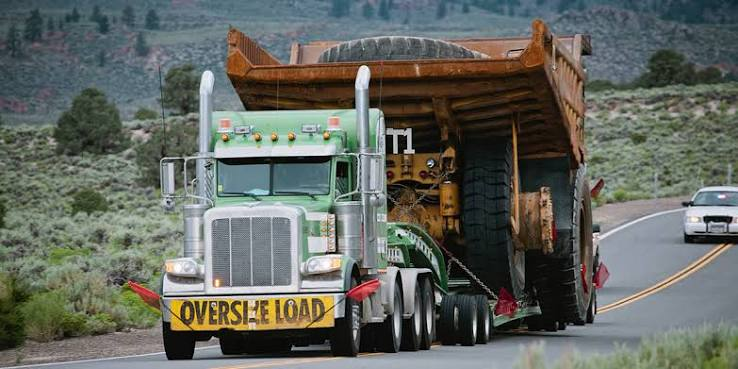
Oversized and Overweight Insurance in Atlanta, GA: The Complete Guide for Georgia Truckers
If you haul superloads, wide loads, cranes, modular homes, construction equipment, or steel beams through Fulton County and the rest of Georgia, you already know that standard commercial auto coverage doesn’t cut it. You need oversized and overweight insurance, and you need an Atlanta-based agency that actually understands how Georgia DOT permits, escort requirements, and route restrictions affect your risk. This guide breaks down everything Atlanta and Georgia trucking companies need to know about oversized and overweight insurance, from what it covers to how much it costs and how to get the right policy in place before your next haul.
Atlanta Commercial Truck Insurance is a locally focused agency serving owner-operators, fleets, and trucking businesses throughout Atlanta, Fulton County, and the surrounding Georgia metro area. We work with drivers hauling everything from box trucks to dump trucks to specialized heavy-haul equipment, and oversized and overweight insurance is one of the most misunderstood coverages in the industry. Below, we’ll walk through what this coverage actually is, why Atlanta haulers need it, what it costs, and how our agency helps Georgia truckers get compliant, affordable protection.
What Is Oversized and Overweight Insurance?
Oversized and overweight insurance is a specialized form of commercial trucking coverage built for loads that exceed standard legal size and weight limits set by Georgia Department of Transportation (GDOT) and the Federal Highway Administration. When a load is too wide, too tall, too long, or too heavy for ordinary roads, the carrier hauling it faces a completely different risk profile than a standard freight hauler, and oversized and overweight insurance is designed to close that gap.
In Georgia, any load wider than 8 feet 6 inches, taller than 13 feet 6 inches, or longer than the state’s standard trailer limits typically requires a special permit from GDOT. Overweight loads exceeding federal bridge formula limits or state axle weight limits also require permitting. Because these loads carry a higher chance of accidents, road damage, bridge strikes, and cargo shifting, oversized and overweight insurance typically includes higher liability limits, specialized cargo coverage, and protection for the unique exposures that come with permitted heavy-haul trucking.
Without proper oversized and overweight insurance, a single incident involving a superload, a wide-load crane, or an overweight construction hauler could result in catastrophic financial exposure. Georgia’s roads, bridges, and overpasses were not built with unlimited clearance in mind, and a claim involving structural damage to a bridge or overpass can run into the millions. That’s exactly why oversized and overweight insurance exists, and why Atlanta trucking companies hauling permitted loads cannot afford to operate without it.
Why Atlanta and Georgia Truckers Need Oversized and Overweight Insurance
Atlanta sits at the crossroads of I-75, I-85, and I-20, making it one of the busiest logistics hubs in the Southeast. Every day, oversized loads move through Fulton County on their way to construction sites, ports, manufacturing plants, and energy projects across Georgia and the broader region. If your business hauls heavy machinery, prefabricated buildings, wind turbine components, industrial tanks, or oversized steel, you are almost certainly operating under a GDOT special permit, and that means oversized and overweight insurance isn’t optional. It’s a requirement for staying compliant and protected.
Georgia’s permitting system requires carriers to meet specific insurance minimums before a permit will even be issued for certain loads. Depending on the width, height, weight, and route of the load, GDOT may require pilot cars, escort vehicles, specific travel hours, and route surveys, all of which increase the complexity of the risk. An agency that doesn’t specialize in oversized and overweight insurance may not structure your policy correctly for these requirements, which can leave gaps in coverage exactly when you need it most.
Local Atlanta factors also play a role. Metro Atlanta has some of the most congested interstates in the country, along with older bridges and overpasses in parts of Fulton County and surrounding areas that carry tighter clearance restrictions. Combine that with unpredictable weather, dense urban intersections, and the sheer volume of daily traffic on I-285, and it becomes clear why oversized and overweight insurance needs to be tailored specifically to how and where you’re operating, not just to a generic national template.
What Does Oversized and Overweight Insurance Typically Cover?
A properly structured oversized and overweight insurance policy is built around the specific risks that come with hauling permitted loads. While every carrier’s needs are different, oversized and overweight insurance generally includes the following components.
Commercial Auto Liability: This is the foundation of any oversized and overweight insurance policy. Because permitted loads carry higher liability exposure, Georgia and federal regulators often require higher liability limits than standard freight haulers carry. Oversized and overweight insurance policies frequently start at $1 million in liability coverage and can go higher depending on the load type and route.
Cargo Insurance: Standard motor truck cargo policies often exclude or limit coverage for oversized freight, so oversized and overweight insurance includes specialized cargo endorsements designed to protect high-value, oversized, or irregularly shaped freight against damage, theft, and loss during transit.
Physical Damage Coverage: Heavy-haul trucks, specialized trailers, and the equipment used to secure oversized loads represent significant capital investment. Oversized and overweight insurance typically includes comprehensive and collision coverage to protect this equipment from accidents, rollovers, and other physical damage events.
General Liability: Because oversized loads often require staging, loading, and unloading at job sites, general liability coverage protects against third-party injury or property damage claims that can arise during these operations.
Escort and Pilot Car Liability: If your operation uses pilot cars or escort vehicles, oversized and overweight insurance can be structured to extend liability protection to these support vehicles, which are a required part of many permitted moves in Georgia.
Umbrella and Excess Liability: Given the catastrophic potential of a claim involving a bridge strike, overpass collision, or major highway incident, many Atlanta-based heavy-haul operators add an umbrella policy on top of their oversized and overweight insurance to increase total available coverage.
What Does Oversized and Overweight Insurance Cost in Atlanta, GA?
Pricing for this specialized coverage varies significantly based on several factors, and there is no single flat rate that applies to every Georgia trucking operation. Insurance carriers evaluate the following when quoting this type of coverage:
- Load type and frequency: A company hauling occasional oversized construction equipment will pay differently than a dedicated heavy-haul carrier moving superloads every week.
- Routes and mileage: Carriers running interstate routes through multiple states typically see different pricing than those operating primarily within metro Atlanta and Fulton County.
- Driver experience: Because permitted loads require specialized skill, insurers evaluating heavy-haul trucking coverage applications weigh driver experience and safety records heavily.
- Equipment value: The cost to replace specialized trailers, lowboys, and heavy-haul tractors directly affects physical damage premiums within this coverage.
- Claims history: A clean safety and claims record can significantly reduce the cost of OS/OW coverage, while a history of incidents will raise it.
- Liability limits selected: Higher limits required by GDOT permits or by the businesses you contract with will increase the overall premium for this specialized policy.
Because pricing depends on so many variables, the best way to know what permitted-load coverage will cost for your specific operation is to get a customized quote. Atlanta Commercial Truck Insurance works with multiple carriers, which means we can shop the market on your behalf to find competitive this insurance pricing rather than presenting a single take-it-or-leave-it quote.
Georgia Permit Requirements and How They Affect Your Insurance
Before GDOT issues a permit for an oversized or overweight load, carriers typically need to demonstrate proof of adequate insurance coverage. This is one of the most important reasons this specialized coverage needs to be set up correctly from the start. If your policy doesn’t meet the specific limits or endorsements required for a given permit, your load could be delayed or denied clearance entirely.
Georgia’s oversize/overweight permit process considers the dimensions of the load, the route requested, the time of travel, and whether escort vehicles are required. Loads that exceed certain thresholds may require Georgia State Patrol escorts in addition to civilian pilot cars. All of this factors into how your this type of coverage should be structured, because the carrier providing your coverage needs to understand not just that you’re hauling an oversized load, but exactly how, where, and under what conditions.
Working with an Atlanta agency that regularly handles heavy-haul trucking coverage for Georgia-permitted loads means your policy is far less likely to have gaps that show up at the worst possible time, like during a roadside inspection or after an incident on I-285.
Types of Loads That Require Oversized and Overweight Insurance in Georgia
Not every trucking operation needs this coverage, but if any part of your business touches the categories below, it’s worth a closer look at how your current policy is structured. Georgia’s construction, energy, and manufacturing sectors generate a steady stream of permitted freight moving in and out of the Atlanta metro area, and each load type carries its own risk profile.
Construction and heavy equipment. Excavators, bulldozers, cranes, and other heavy machinery moving to and from job sites around Fulton County, Cobb County, and Gwinnett County routinely exceed standard legal dimensions. Contractors relocating equipment between projects need coverage built for these irregular, high-value loads.
Modular and manufactured housing. Georgia’s growing housing market means more modular home sections and manufactured buildings are moving down I-75 and I-20 every week. These loads are often wide, tall, and require multiple escort vehicles, all of which need to be reflected in the policy.
Wind energy and industrial components. Turbine blades, nacelles, industrial tanks, and large fabricated steel components are among the most demanding loads to insure, given their extreme length and the specialized rigging required to transport them safely.
Agricultural and forestry equipment. Combines, harvesters, and large forestry machinery moving between rural Georgia operations and Atlanta-area dealerships or repair facilities often exceed standard width limits, particularly during seasonal moves.
Cranes and rigging equipment. Mobile cranes and rigging trucks used on Atlanta construction and infrastructure projects frequently travel at or near legal weight limits, and a single mechanical failure or rollover can produce an outsized claim relative to a standard truck.
If your operation falls into any of these categories, it’s worth reviewing your current policy with an agent who understands how Georgia permitting and route restrictions affect the coverage you actually need.
How Atlanta’s Roads and Bridges Shape Your Coverage Needs
Local geography matters more than most truckers realize when it comes to pricing and structuring this coverage. Metro Atlanta’s interstate system, including the I-285 perimeter, the I-75/I-85 Downtown Connector, and the network of state routes feeding into Fulton, DeKalb, Cobb, and Clayton counties, was largely built decades before today’s heavy-haul equipment existed. Many overpasses, ramps, and interchanges throughout the metro area carry posted clearance limits that require careful route planning for anything close to 13 feet 6 inches in height.
Beyond clearance restrictions, Atlanta’s traffic volume adds another layer of risk. Rush-hour congestion on I-285 and I-75 can stretch into several hours a day, which means permitted loads often have to travel during restricted overnight or early-morning windows to stay compliant with GDOT rules. Weather is another factor: Georgia’s summer thunderstorms and occasional winter ice events can turn a routine oversized move into a high-risk situation with little warning.
All of these local realities are exactly why a national, one-size-fits-all policy often falls short for Atlanta-based heavy-haul carriers. An agency that understands the specific interstates, bridges, and permitting patterns across Fulton County and the wider Georgia metro area is far better positioned to structure coverage that actually holds up in the field, rather than one built around generic assumptions about where and how you operate.
Common Mistakes Georgia Truckers Make With Oversized and Overweight Insurance
Assuming standard commercial auto coverage is enough. Many owner-operators who occasionally haul an oversized piece of equipment mistakenly believe their existing commercial auto policy will cover them. In most cases, standard policies either exclude oversized loads entirely or drastically limit coverage, leaving a serious gap that only proper OS/OW coverage can close.
Underinsuring cargo value. Oversized freight is often high-value equipment, and underestimating its worth when setting cargo limits within this specialized policy can leave you significantly out of pocket after a loss.
Not updating coverage when routes change. A policy built around local Fulton County hauls may not automatically extend the same protection to interstate moves. Any time your routes or load types change, your permitted-load coverage should be reviewed to make sure it still matches your actual operations.
Skipping escort vehicle coverage. Pilot cars and escort vehicles are a required part of many oversized moves in Georgia, and failing to account for them in this insurance policy can create liability gaps if an escort vehicle is involved in an incident.
Choosing price over expertise. Coverage for permitted heavy-haul loads is highly specialized, and the cheapest quote isn’t always the right one if the agency behind it doesn’t understand GDOT permitting requirements or heavy-haul risk. Working with an experienced Atlanta agency helps ensure your policy actually holds up when you need it.
How Atlanta Commercial Truck Insurance Helps You Get Covered
Atlanta Commercial Truck Insurance specializes in helping owner-operators and fleets across Atlanta, Fulton County, and the surrounding Georgia region secure the right this type of coverage for their specific operation. Here’s what sets our approach apart.
We shop multiple carriers on your behalf. Rather than locking you into a single insurer’s rates, we compare options across the carriers we work with to find heavy-haul trucking coverage that fits both your risk profile and your budget.
We understand Georgia permitting. Because we’re based in Atlanta and work with heavy-haul carriers across the state, we know how GDOT’s permit requirements affect the way this coverage needs to be structured, so your coverage actually satisfies what’s required for your permits.
We move fast. Permitted loads often operate on tight schedules, and delays in securing proof of insurance can hold up a job. Our team is available around the clock, and we can even set you up with instant access to generate your own Certificate of Insurance when you need it.
We tailor coverage to your equipment. Whether you’re hauling with a lowboy, a stepdeck, a multi-axle trailer, or a specialized heavy-haul rig, we structure OS/OW coverage around the actual equipment and cargo you’re moving, not a generic template.
We’re local. Being based in Atlanta means we understand the specific routes, bridges, and traffic patterns that Georgia heavy-haul operators deal with every day, and we factor that local knowledge into how we help you find the right coverage for your loads.
Frequently Asked Questions About Oversized and Overweight Insurance
Do I need this insurance if I only haul oversized loads occasionally? Yes. Even occasional oversized hauls carry the same elevated risk as regular heavy-haul work, and standard policies typically won’t provide adequate protection. If you’re pulling a GDOT permit for any load, you should confirm this specialized coverage covers that specific move.
Is this type of coverage required by law in Georgia? GDOT requires proof of insurance meeting certain thresholds before issuing permits for oversized or overweight loads. While the state doesn’t necessarily mandate a product called “heavy-haul trucking coverage” by name, the practical effect is that you need coverage structured to meet those permit requirements.
How is this coverage different from regular cargo insurance? Standard cargo insurance is built around typical freight values and standard load configurations. OS/OW coverage accounts for the higher values, unusual dimensions, and elevated liability exposure that come with permitted heavy-haul freight, and it’s underwritten differently as a result.
Can Atlanta Commercial Truck Insurance help with both local and interstate oversized loads? Yes. Whether you’re moving equipment within Fulton County or running interstate heavy-haul routes out of Georgia, we help structure this specialized policy that matches where and how you actually operate.
How quickly can I get a quote for permitted-load coverage? Because we work with multiple carriers and understand the documentation heavy-haul operators typically need, we can usually turn around this insurance quotes quickly. The exact timeline depends on your equipment, routes, and claims history, but our team works to get you answers fast.
What documents do I need to apply for oversized and overweight insurance? Most carriers ask for your MC/DOT numbers, a list of equipment and trailers, driver information, loss runs from your prior policy, and details about the routes and load types you typically haul. Having this ready in advance helps speed up the process of getting oversized and overweight insurance in place before your next permitted move, so your paperwork doesn’t hold up a job that’s already on the schedule.
Get a Custom Oversized and Overweight Insurance Quote in Atlanta Today
If your business hauls permitted loads through Atlanta, Fulton County, or anywhere else in Georgia, don’t wait until a permit gets denied or a claim exposes a gap in your coverage to think about this type of coverage. Atlanta Commercial Truck Insurance works with owner-operators, small fleets, and established trucking companies to build heavy-haul trucking coverage policies that meet GDOT requirements, protect your equipment and cargo, and keep your business moving.
Call us today at (770) 647-8393 or request an online quote to get started. Our team is available 24/7, and we’re ready to help you find coverage built around the loads, routes, and risks you actually face on Georgia roads.

Leave a Reply