
Box Truck Insurance in Atlanta, GA: The Complete Guide for Owner-Operators and Fleets
If you run a straight truck through metro Atlanta, you already know the city rewards preparation and punishes shortcuts. Between the daily crawl on I-285, the merge chaos where I-75 and I-85 collide downtown, and the nonstop freight moving in and out of Hartsfield-Jackson and the warehouse corridors along I-20, a single bad afternoon can put your truck, your cargo, and your business on the line. That’s why box truck insurance isn’t a box to check before you get your DOT number — it’s the financial backbone of everything you’re building as a Georgia trucking operation.
This guide walks through what box truck insurance actually covers, why Atlanta-based carriers face a different risk profile than smaller markets, what Georgia and federal rules require, and how to think about cost, claims, and choosing the right agency. Whether you’re a solo owner-operator delivering appliances around Fulton County or managing a small fleet out of a distribution center near the Perimeter, the goal is the same: keep your equipment on the road and your business protected.
What Is Box Truck Insurance, Exactly?
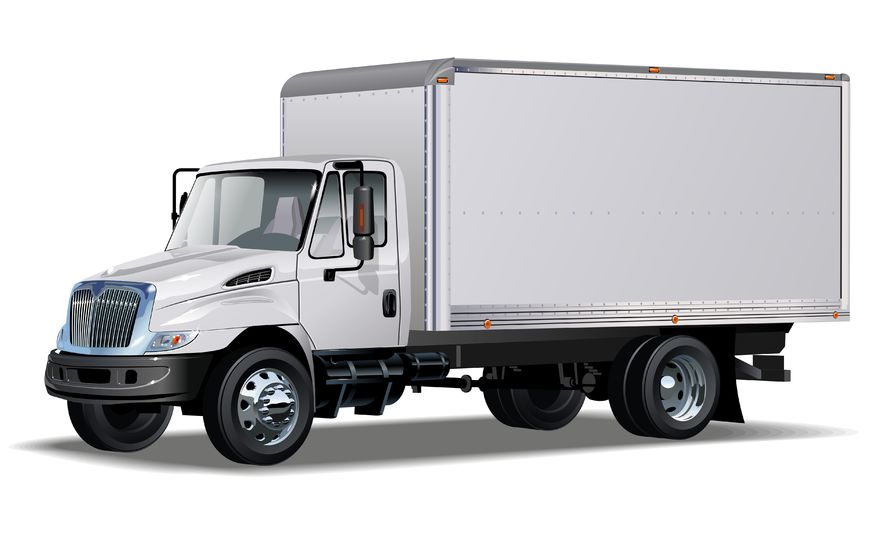
Box truck insurance is a package of commercial coverages built specifically for the 16- to 26-foot straight trucks used for local delivery, moving services, last-mile logistics, and regional freight hauling. Unlike a personal auto policy — which almost never extends to commercial use — box truck insurance is written to reflect the real exposures of running a vehicle for business: higher mileage, frequent loading and unloading, tighter urban routes, and cargo that has real dollar value riding in the back.
A properly structured policy typically bundles several coverage types into one program, which is part of why working with an agency that understands box truck insurance from the ground up matters so much. At minimum, most Atlanta operators need:
- Primary auto liability — pays for bodily injury and property damage you cause to someone else in an accident.
- Physical damage coverage (comprehensive and collision) — repairs or replaces your own truck after a wreck, theft, vandalism, or weather event.
- Motor truck cargo insurance — covers the freight you’re hauling if it’s damaged, stolen, or destroyed in transit.
- Non-trucking liability — protects you when you’re using the truck for personal reasons or driving without a load under your authority.
- General liability — covers third-party injury or property damage that happens off the road, such as during loading dock incidents.
- Hired and non-owned auto coverage — extends protection to rented or borrowed vehicles used for business purposes.
Every one of these pieces matters, but the mix that makes sense for you depends on whether you’re leased to a motor carrier, running under your own authority, or managing a small fleet of straight trucks for a local business.
Why Atlanta Trucking Operations Need a Local Approach to Coverage
Atlanta isn’t just another city on the map for freight — it’s one of the busiest logistics hubs in the Southeast. That status brings opportunity, but it also raises the stakes for anyone hauling freight through the region without adequate protection. A few things make the metro Atlanta market unique when it comes to box truck insurance:
Traffic density and congestion. Atlanta consistently ranks among the most congested metro areas in the country. Stop-and-go traffic on the Downtown Connector, the top and bottom ends of I-285, and surface roads like Peachtree Street or Buford Highway means more opportunities for rear-end collisions, sideswipes, and cargo shifting during sudden braking. Insurers pricing coverage for Atlanta-based operators factor this congestion into their risk models, which is exactly why local claims experience matters when you’re shopping for a policy.
A major logistics and distribution hub. With Hartsfield-Jackson International Airport, the CSX and Norfolk Southern rail yards, and dense clusters of warehouses along I-20, I-75, and I-85, Atlanta sees enormous volumes of last-mile and regional freight moving through it every day. Box trucks are the workhorses of that last-mile network, delivering everything from retail goods to construction materials to medical supplies. High freight volume means high demand for reliable box truck insurance that can keep pace with tight delivery windows.
Severe weather exposure. Georgia summers bring sudden thunderstorms and occasional severe weather that can turn a routine Fulton County delivery route into a hazard, while winter occasionally brings ice events that catch drivers off guard on Atlanta’s hilly terrain. Physical damage coverage inside a box truck insurance policy is what protects your equipment when weather — not another driver — is the cause of a loss.
A mix of intrastate and interstate operations. Some Atlanta-based straight truck operators run purely local routes within Fulton, DeKalb, Cobb, and Gwinnett counties, while others cross state lines regularly on I-20, I-75, or I-85. That distinction affects which DOT rules apply and how your policy needs to be structured, since interstate operations generally require higher liability limits than routes that stay entirely within Georgia.
Because of these local realities, box truck insurance purchased through a generic national call center rarely fits as well as a policy built by an agency that actually understands Atlanta’s roads, weather patterns, and freight corridors.
What a Strong Box Truck Insurance Policy Actually Covers
Let’s break down the core components in more detail, because the value of box truck insurance lives in the specifics.
Primary Liability
This is the coverage that satisfies federal and state minimum requirements, and it’s the piece that protects you financially if you’re at fault in an accident that injures someone or damages their property. For straight trucks operating under their own DOT authority, the federal minimum is generally $750,000 for general freight, though many shippers and brokers require $1,000,000 in practice. Trucking insurance policies written for Atlanta operators typically default toward that higher limit because so many local contracts and broker agreements demand it before they’ll even offer you a load.
Physical Damage Coverage
Comprehensive and collision coverage repair or replace your truck after a covered loss. Given how much traffic Atlanta box trucks encounter daily, and the value of the equipment itself, skipping physical damage coverage to save a few dollars a month is one of the most common regrets operators mention after a serious wreck. A well-built box truck insurance package accounts for the actual cash value or agreed value of your truck so you’re not left scrambling for a down payment on a replacement.
Motor Truck Cargo Insurance
If you’re hauling retail goods, furniture, appliances, food products, or building materials around metro Atlanta, cargo coverage protects the freight itself. Shippers and brokers almost always require proof of cargo insurance before releasing a load to you, and the coverage limit needs to match the type and value of goods you typically haul. This is one of the most negotiated parts of any commercial trucking quote, since cargo limits can range from $10,000 for light local delivery work up to $100,000 or more for high-value freight.
Non-Trucking Liability
If you lease onto a motor carrier but also use your truck for personal errands or drive it empty between dispatches, non-trucking liability fills the coverage gap that exists when you’re not operating under the carrier’s insurance. It’s a relatively inexpensive add-on that closes a real exposure for leased operators.
General Liability
General liability protects your business from claims that happen off the highway — a customer injured at your loading dock, property damaged while you’re making a delivery inside a building, or a slip-and-fall at your place of business. Many commercial leases and vendor contracts in the Atlanta area require proof of general liability before you can even access certain facilities.
Hired and Non-Owned Auto Coverage
If your business occasionally rents a truck or uses an employee’s personal vehicle for company errands, this coverage extends protection beyond your owned fleet. It’s a smart addition for growing Atlanta businesses that are scaling up delivery capacity without buying new equipment right away.
Georgia and Federal Compliance Requirements
Operating a straight truck for commercial purposes in Georgia means satisfying both state and federal rules, and your box truck insurance needs to be structured to keep you compliant with all of them.
DOT and MC authority. If your box truck has a gross vehicle weight rating over 10,001 pounds and you’re operating in interstate commerce, you’ll likely need a USDOT number and possibly MC authority from the FMCSA. Insurance filings tied to that authority, including BOC-3 process agent designations and MCS-90 endorsements, need to be handled correctly and on time.
Minimum liability limits. As mentioned above, federal minimums for general freight sit at $750,000, with higher limits required for hazardous materials. Georgia intrastate operators may have different baseline requirements, so it pays to confirm exactly which rules apply to your operation before assuming your box truck insurance meets the bar.
Certificates of Insurance. Brokers, shippers, and property managers across metro Atlanta routinely ask for a Certificate of Insurance before they’ll work with you. Having fast access to your COI — ideally through an online portal rather than waiting on a phone call — keeps you from losing loads or access to facilities over paperwork delays.
IFTA and IRP considerations. While not insurance requirements themselves, fuel tax and registration compliance often come up in the same conversations as coverage, since many new Atlanta operators are setting up their entire compliance picture at once. It’s worth handling these pieces alongside your box truck insurance setup so nothing falls through the cracks.
What Drives the Cost of Box Truck Insurance in Atlanta
Pricing for box truck insurance varies widely based on a handful of factors, and understanding them helps you have a more productive conversation with your agent.
Driving history and experience. Carriers weigh your MVR, CDL or non-CDL driving record, and years of commercial experience heavily. A clean record and a few years behind the wheel of a straight truck can meaningfully lower your premium.
Radius of operation. Local Fulton County delivery routes carry a different risk profile than long interstate runs, and insurers price accordingly. Tight, congested routes around downtown Atlanta may carry more frequent, lower-severity claims, while long-haul routes carry less frequent but potentially more severe ones.
Cargo type and value. Hauling high-value electronics or pharmaceuticals costs more to insure than hauling packaged retail goods, simply because the potential loss is larger.
Truck age, value, and safety features. Newer box trucks with backup cameras, collision mitigation systems, and telematics can qualify for better rates, since these features reduce both the frequency and severity of claims.
Business structure. Whether you’re a single owner-operator, leased to a carrier, or running your own authority with a small fleet changes how your box truck insurance is underwritten, since fleet policies spread risk differently than single-unit policies.
Claims history. Prior claims, especially at-fault accidents or cargo losses, will raise premiums. This is where shopping your policy across multiple carriers pays off, since different insurers weigh claims history differently.
Working with an agency that has access to multiple carriers — rather than being tied to a single insurance company — usually produces a more competitive quote, because your risk profile can be matched to the carrier that prices it most favorably instead of forcing your business into a one-size-fits-all program.
Reducing Risk Beyond the Policy Itself
A strong policy is the foundation, but the operators who see the fewest claims and the best long-term rates usually pair their coverage with a handful of practical habits. Dash cams have become almost standard for Atlanta straight truck fleets, since footage can resolve liability disputes quickly and often earns an underwriting discount. Regular preventive maintenance — brakes, tires, and lighting — cuts down on breakdown incidents on routes like I-285 and the Downtown Connector, where a stalled truck in a live lane creates real exposure. Driver training focused on urban delivery conditions and defensive driving pays for itself many times over.
Telematics tracking hard braking, speeding, and idle time gives fleet managers visibility they didn’t have a decade ago, and many carriers offer premium credits for operators willing to install them. Secure overnight parking also cuts down on theft and vandalism claims around metro Atlanta’s distribution corridors. None of these steps replace solid coverage, but together they shape how an underwriter views your risk profile at renewal time.
What Atlanta Trucking Businesses Say About Working With a Local Agency
Owner-operators and fleet managers across metro Atlanta consistently point to the same things when they talk about a good agency experience: responsiveness, clear communication, and genuine trucking expertise rather than generic auto insurance knowledge. New operators often mention how much it helps to have someone walk them through federal filings and documentation instead of figuring it out alone. Others highlight pulling a Certificate of Insurance instantly rather than waiting on hold, especially when a broker is holding a load and needs paperwork within the hour. That kind of service, paired with access to multiple carriers, usually separates an agency a Georgia trucker sticks with for years from one they leave after a single renewal.
Common Claims Scenarios for Atlanta Box Truck Operators
Understanding where claims actually come from helps illustrate why each piece of coverage matters.
- Rear-end collisions in stop-and-go traffic. Atlanta’s congestion on I-285 and the Downtown Connector makes this one of the most frequent claim types for local straight truck operators.
- Cargo shifting or damage during sudden stops. Sudden braking in dense traffic can shift or damage freight, which is exactly what motor truck cargo insurance is designed to address.
- Loading dock incidents. Injuries or property damage while loading and unloading at warehouses or retail locations are common enough that general liability coverage inside a straight truck insurance package earns its keep regularly.
- Weather-related losses. Sudden hail, flooding on low-lying roads, or ice on overpasses during rare Georgia winter events can total a truck quickly without adequate physical damage coverage.
- Theft and vandalism. Trucks parked overnight at distribution centers or truck stops around metro Atlanta are occasionally targets for theft or break-ins, particularly when cargo value is visible or well known.
Each of these scenarios is a reminder that box truck insurance isn’t a single product — it’s a coordinated set of protections designed to respond to the specific ways a straight truck business can lose money.
How to Choose the Right Box Truck Insurance Agency in Atlanta
Not every insurance agency understands trucking, and not every trucking-focused agency understands the Atlanta market specifically. A few things worth looking for:
- Access to multiple carriers. An agency that only sells one company’s policies can only offer you one company’s pricing and coverage terms. Multi-carrier access means your quote is actually shopped around, not just quoted once and handed to you.
- Trucking-specific expertise. General business insurance agents may not know the difference between motor truck cargo coverage and general cargo coverage, or understand how non-trucking liability interacts with a lease agreement. Look for an agency that lives in this niche.
- Fast, responsive service. Trucking doesn’t run on a nine-to-five schedule, and neither should your agency. Access to instant Certificates of Insurance and 24/7 support keeps you from losing loads over paperwork delays.
- Local knowledge. An agency based in Atlanta, working daily with Fulton County and metro-area trucking businesses, understands the routes, the risks, and the local claims environment in a way a national call center simply can’t replicate.
- A track record with Georgia truckers. Look for reviews and references from other Atlanta-area owner-operators and fleets who’ve actually filed claims and can speak to how the agency and its carriers performed when it mattered.
Frequently Asked Questions About Box Truck Insurance in Atlanta
Do I need box truck insurance if I only drive locally within Fulton County? Yes. Even purely local operations need commercial coverage, since personal auto policies exclude business use. Local-only routes may qualify for different pricing than interstate operations, but coverage is still required.
How much does box truck insurance cost in Atlanta? Costs vary based on driving history, cargo type, radius of operation, and truck value, among other factors. The best way to get an accurate number is a quote built around your specific operation rather than a generic estimate.
Can I get box truck insurance without a CDL? Yes, many straight trucks fall under the weight threshold that requires a CDL, and non-CDL trucking insurance programs are common for these operations.
What’s the difference between box truck insurance and general commercial auto insurance? Box truck insurance is tailored to the specific risks of straight truck operations — cargo hauling, loading and unloading, and commercial delivery routes — while general commercial auto insurance may not include cargo coverage or trucking-specific endorsements.
How fast can I get a Certificate of Insurance after binding a policy? With the right agency, COIs can often be issued instantly through an online portal, which matters when a broker or shipper needs proof of coverage before releasing a load.
Protecting Your Atlanta Trucking Business Starts Here
Running a box truck through metro Atlanta means navigating some of the busiest freight corridors in the Southeast, unpredictable traffic, and a compliance landscape that mixes state and federal rules. The right box truck insurance policy doesn’t just check a legal box — it protects the equipment, cargo, and income that your business depends on every single day.
If you’re an owner-operator or fleet manager based in Atlanta, Fulton County, or the surrounding Georgia metro area, working with a local agency that understands both the trucking industry and the specific risks of this market makes a real difference when it’s time to file a claim, renew a policy, or scale up your operation. Atlanta Commercial Truck Insurance, located at 754 Peachtree St NE in Atlanta, works with multiple carriers to build box truck insurance programs suited to owner-operators, small fleets, and growing trucking businesses across metro Atlanta. Reach out for a quote, and get your straight truck operation covered the right way from day one.

Leave a Reply