
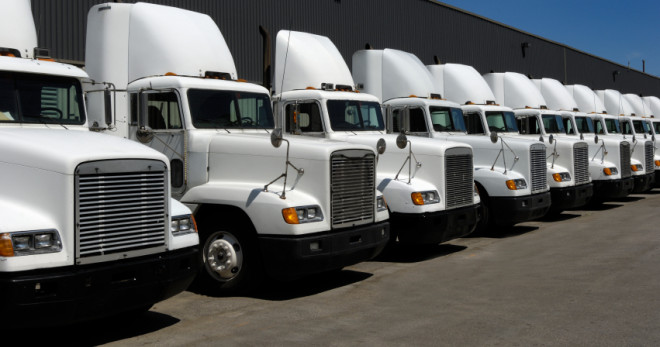
Fleet Insurance in Atlanta, GA: The Complete Guide for Georgia Trucking Companies
Running a trucking operation out of metro Atlanta means navigating some of the busiest freight corridors in the Southeast. Between the I-285 perimeter, the I-75/I-85 connector, and the constant flow of freight moving through Fulton County toward the Port of Savannah, Georgia carriers face traffic density, cargo theft exposure, and regulatory scrutiny that owner-operators in quieter states rarely deal with. If you manage more than one truck, the fleet insurance decisions you make now will shape your company’s financial stability for years to come. This guide walks through everything Atlanta-based carriers need to know before buying a policy, from how pricing works to which endorsements actually matter on Georgia roads.
Why Location Matters When You’re Shopping for Coverage
Insurance carriers underwrite risk regionally, not nationally. A dispatcher running box trucks through downtown Atlanta faces a different loss profile than a flatbed operator hauling steel across rural south Georgia. Underwriters look at traffic congestion data, accident frequency along specific corridors, local theft statistics, weather patterns, and even the concentration of distribution centers near your terminal. Atlanta’s role as a national logistics hub — home to Hartsfield-Jackson, dozens of intermodal yards, and some of the heaviest daily truck volume in the country — pushes base rates higher than in less congested markets. That’s exactly why working with an agency that understands the local risk environment, rather than a national call center that treats every ZIP code the same, tends to produce better outcomes for Georgia-based carriers.
What Coverage Actually Protects a Trucking Operation
Before diving into pricing and shopping strategy, it helps to understand what a properly structured commercial auto program is built from. Multi-vehicle fleet insurance for a trucking company typically bundles several policy types into one program administered under a single umbrella of protection for the whole operation:
Primary Auto Liability — This is the foundation of any commercial trucking program and satisfies FMCSA financial responsibility requirements. It pays for bodily injury and property damage you cause to others in an at-fault accident. For interstate carriers, federal minimums start at $750,000, though many shippers and brokers require $1,000,000 in coverage before they’ll sign a contract.
Motor Truck Cargo Coverage — Protects the freight you’re hauling against theft, fire, collision damage, and other covered perils. Given Atlanta’s position as a major theft hotspot for parked trailers, cargo coverage limits and warranty language deserve close attention before you sign anything.
Physical Damage Coverage — Comprehensive and collision protection for your tractors and trailers themselves. Replacing a damaged sleeper cab or a totaled reefer trailer out of pocket can sink a small operation, which is why physical damage protection is considered essential once your equipment carries any meaningful loan balance.
General Liability — Covers premises and completed-operations exposure, such as a slip-and-fall at your Fulton County terminal or property damage caused while loading at a customer’s dock.
Non-Trucking Liability (Bobtail Coverage) — Applies when a driver is operating a tractor without a trailer attached and outside the scope of dispatch, filling a gap that primary liability doesn’t cover.
Trailer Interchange Coverage — Protects trailers you don’t own but are pulling under a interchange agreement, which is common for drayage and intermodal operations moving containers out of Savannah or Atlanta rail yards.
Workers’ Compensation — Required in Georgia for most companies with employees, covering medical costs and lost wages if a driver or warehouse worker is injured on the job.
When these coverages are bundled together for an operation running two or more power units, agencies typically refer to the resulting program as fleet insurance. Understanding each individual piece helps you evaluate whether a quoted program actually protects your business or simply checks a compliance box.
How Many Trucks Does It Take to Qualify?
One of the most common questions Atlanta owner-operators ask is when they officially “become a fleet” for underwriting purposes. There’s no universal federal rule, but most carriers apply fleet-rated pricing once a company operates two or more commercial vehicles under a single named insured. Some markets extend fleet-rated pricing to operations with as few as two trucks, while others reserve their best fleet insurance pricing tiers for companies running five, ten, or more units. Georgia carriers scaling from a single truck to a small fleet should ask their agent exactly where those pricing breakpoints sit, since crossing a threshold can meaningfully change your per-unit premium.
What Drives the Cost of Fleet Insurance in Georgia
Carriers evaluating premiums for a multi-truck fleet insurance program in metro Atlanta should expect underwriters to weigh a combination of company-specific and geographic factors. None of these variables work in isolation — insurers build a composite risk score from all of them before issuing a quote.
Driver Qualification Files — Clean MVRs, verifiable experience, and low turnover all push pricing down. A fleet with several drivers under 25 or with recent moving violations will see materially higher rates than one staffed by experienced, tenured operators.
Radius of Operation — Local Atlanta metro routes generally carry different exposure than long-haul interstate lanes stretching from Georgia to the Midwest or Northeast. Be prepared to document your typical routes accurately, since misclassifying your radius of operation is one of the fastest ways to run into a fleet insurance dispute after a loss.
Commodity Hauled — Hazardous materials, high-value electronics, and refrigerated freight all carry different cargo risk than dry van general freight, and pricing reflects that difference directly.
Claims History (Loss Runs) — Underwriters pull three to five years of loss history on every applicant. A single large claim can outweigh years of clean driving in how it’s priced, so carriers with a rough claims year should expect extra scrutiny and should be ready to explain corrective actions taken since the loss.
Equipment Age and Value — Newer tractors with updated safety technology, such as collision mitigation systems and electronic stability control, often qualify for credits that reduce overall program cost.
CSA Scores and Safety Rating — Georgia carriers with strong FMCSA Compliance, Safety, Accountability scores across the seven BASIC categories are viewed more favorably than those with elevated scores in categories like Unsafe Driving or Vehicle Maintenance.
Fleet Size and Composition — Larger fleets can sometimes access more competitive per-unit rates through economies of scale, but they also introduce more variables for underwriters to evaluate, including mixed equipment types and varied driver tenure.
Because these factors interact in complex ways, two Atlanta companies running the same number of trucks can receive dramatically different quotes. This is precisely why shopping multiple carriers, rather than accepting the first number offered, tends to save Georgia trucking companies real money over the life of a fleet insurance policy.
Georgia-Specific Compliance Requirements
Operating a trucking company in Georgia means satisfying both federal FMCSA rules and state-level requirements administered through the Georgia Department of Public Safety and, for certain intrastate operations, the Department of Revenue’s Motor Fuel and IRP divisions. Interstate carriers must maintain federal minimum liability limits, file appropriate BOC-3 process agent designations, and, depending on cargo type, may need MCS-90 endorsements attached to their liability policy. Intrastate-only carriers based in Fulton, DeKalb, Cobb, or Gwinnett County should confirm their state minimum limits with the Georgia Department of Public Safety, since intrastate thresholds can differ from federal interstate minimums. An agency familiar with Georgia’s specific filing requirements can prevent costly compliance gaps, particularly for newer operations still building out their authority.
Common Mistakes Atlanta Carriers Make When Buying Coverage
Underinsuring Cargo Limits — Many new fleet owners select the state minimum cargo limit to save money upfront, only to discover after a major loss that the payout doesn’t come close to covering a full trailer of freight. Matching your cargo limit to your actual average load value protects your balance sheet far better than chasing the cheapest premium.
Ignoring Radius Classification — Declaring a local radius while regularly running long-haul lanes out of Atlanta toward Charlotte, Nashville, or Jacksonville can jeopardize a claim if the discrepancy surfaces during an investigation. Accurate radius reporting protects you when it matters most.
Skipping Non-Trucking Liability — Owner-operators leased to a motor carrier sometimes assume their primary fleet insurance policy covers every mile driven, when in fact bobtail and deadhead miles outside of dispatch often require separate non-trucking liability coverage.
Not Reviewing Loss Runs Before Renewal — Waiting until thirty days before your fleet insurance policy expires to start shopping puts you at a negotiating disadvantage. Reviewing your loss history and beginning renewal conversations sixty to ninety days out gives your agent time to market your account properly to multiple carriers.
Treating Every Quote as Equivalent — A lower premium sometimes hides thinner cargo sublimits, higher deductibles, or exclusions buried in the fleet insurance policy language. Comparing apples to apples means reading the actual coverage forms, not just the bottom-line number.
How to Get the Best Fleet Insurance Quote in Atlanta
Securing competitive pricing on a multi-truck program starts well before you request a quote. Assemble your driver qualification files, three to five years of loss runs, your vehicle list with VINs and values, and documentation of any safety programs you’ve implemented, such as dash cams, ELD monitoring, or driver training initiatives. Carriers reward operations that can demonstrate proactive risk management with meaningfully better terms.
From there, working with an independent agency that has direct relationships with multiple carriers — rather than a captive agent tied to a single insurer — gives you access to a broader range of pricing and fleet insurance structures. An experienced agency serving the Atlanta market will know which carriers are currently competitive for your specific commodity, radius, and fleet size, since carrier appetite shifts throughout the year based on their own loss experience across Georgia and the wider Southeast.
It’s also worth asking any agency you’re evaluating a few direct questions: How many trucking-specific carriers do they have appetite with? Can they provide same-day or next-day Certificates of Insurance when a broker or shipper requests one? Do they offer 24/7 support for after-hours incidents, which matter enormously when a truck breaks down or is involved in an accident on I-285 at midnight? The answers to these questions often matter more than the initial quoted premium, since service quality determines how well you’re supported when something actually goes wrong.
Building a Program That Scales With Your Company
Georgia trucking companies rarely stay the same size for long. A two-truck operation today might be running eight units within eighteen months, and your fleet insurance program should be structured to grow with you rather than requiring a complete rebuild every time you add equipment. Ask your agent how easy it is to add a vehicle mid-term, how quickly a new driver can be added to your qualification files, and whether your current carrier offers any loyalty credits or safety dividends as your loss experience improves over time.
For companies planning aggressive growth, it’s worth discussing umbrella or excess liability options even before you technically need them. Many shippers and brokers in the Atlanta freight market are increasingly requiring $2,000,000 or higher combined liability limits before they’ll extend contracts, and building that cushion into your program early avoids a scramble later when a lucrative contract requires higher limits than your current fleet insurance policy provides.
Fleet Insurance vs. Insuring Trucks One at a Time
New owner-operators often start by insuring a single truck, then simply add a second policy when they buy their next vehicle. That approach works in the short term, but it usually stops making sense once a company crosses into multi-truck territory. Consolidating coverage into one fleet insurance program means one renewal date, one loss-run history, and one point of contact for every vehicle in your operation, instead of juggling separate policies with different carriers, different deductibles, and different renewal cycles. For an Atlanta dispatcher managing drivers across several routes, that kind of consolidation isn’t just a convenience — it’s a real reduction in administrative overhead. A single fleet insurance policy also gives your agent a complete picture of your operation, which tends to produce more accurate pricing than piecing together coverage truck by truck. When an underwriter can see your entire fleet insurance program at once, they can apply consistent terms across every vehicle rather than treating each unit as an isolated risk. That consistency often translates into fewer coverage gaps and a clearer claims process when an incident does occur.
Fleet Insurance Discounts Georgia Carriers Should Ask About
Most carriers writing fleet insurance for Georgia trucking companies offer a range of credits that can meaningfully reduce your total premium, but many owner-operators never ask about them. A telematics or ELD monitoring discount rewards fleets that can demonstrate safe driving behavior through hard-braking and speeding data. A claims-free discount rewards fleets that renew a fleet insurance policy without a chargeable loss over a defined period, often stacking year over year. Fleets that install dash cams facing both the road and the cab frequently qualify for additional credits, since video evidence tends to reduce disputed liability claims and speeds up claims resolution. Paying your fleet insurance premium in full rather than financing it monthly can also unlock a pay-in-full discount with certain carriers. Finally, bundling your general liability, cargo, and physical damage coverage with the same carrier that writes your fleet insurance auto liability often produces a package discount that isn’t available when those coverages are split across multiple insurers. Asking your agent to walk through every available discount before binding coverage is one of the simplest ways to lower your effective rate without reducing your protection.
Choosing the Right Deductible for Your Fleet
Deductible selection is one of the most overlooked levers in structuring an affordable fleet insurance program. A higher deductible on physical damage coverage lowers your premium, but it also means more out-of-pocket exposure every time a truck is damaged, so the right number depends heavily on your company’s cash reserves. Fleets with strong safety records and healthy cash flow often choose higher deductibles deliberately, using the premium savings to self-insure smaller, more frequent losses like cracked windshields or minor fender benders. Newer companies with tighter margins, on the other hand, sometimes prefer a lower deductible even at a higher premium, since a single large unexpected repair bill can strain working capital faster than a slightly higher monthly payment. There’s no universally correct answer here — the right deductible for a two-truck Atlanta hotshot operation looks very different from the right deductible for a ten-truck regional carrier, and a good agent will walk through the math with you rather than defaulting to whatever number produces the lowest headline premium.
Frequently Asked Questions
How many trucks do I need before I should switch to a fleet program? Most Georgia agencies begin applying fleet-rated pricing once you’re operating two or more vehicles under one company name, though the most favorable pricing tiers often kick in around five or more units. Ask your agent to model out the pricing at your current size versus your projected size over the next year.
Does fleet insurance cost more than insuring trucks individually? Not necessarily. Bundling vehicles under one policy often produces a lower per-unit cost than insuring each truck separately, partly because underwriters can spread risk across your entire operation rather than pricing each vehicle in isolation.
Can I mix truck types under one fleet policy? Yes. Atlanta operations running a mix of box trucks, dump trucks, and tractor-trailers can typically be covered under a single program, provided each vehicle type and its associated cargo exposure is properly declared to the underwriter.
What happens if I add a truck mid-policy-term? Most fleet insurance policies allow mid-term vehicle additions with a prorated premium adjustment. Notify your agent immediately when you acquire new equipment, since operating an undeclared vehicle can create a coverage gap if it’s involved in an accident before it’s added.
Do I need workers’ compensation in addition to my auto coverage? If you have employees, Georgia law generally requires workers’ compensation coverage separate from your commercial auto program. Owner-operators with no employees may have different requirements, so confirming your specific obligation with your agent is worthwhile.
How far in advance should I start shopping for renewal? Starting sixty to ninety days before your current policy expires gives your agency enough time to market your account to multiple carriers and negotiate competitive terms, rather than accepting whatever renewal offer arrives at the last minute.
Working With a Local Atlanta Agency
Choosing the right partner for your commercial fleet insurance is ultimately about more than price. It’s about finding a team that understands Georgia’s regulatory environment, has direct relationships with carriers who actively want to write trucking risk in the Southeast, and can respond quickly when you need a certificate, a policy change, or claims support. Atlanta Commercial Truck Insurance works with owner-operators and growing fleets throughout Fulton County and the broader metro Atlanta area, helping Georgia carriers secure coverage that satisfies DOT requirements while actually protecting the business day to day.
If your company is ready to compare pricing, review your current program, or set up coverage for the first time, reach out for a consultation. A conversation with a knowledgeable agent, paired with your loss runs and driver files, is often all it takes to see whether your current program is still the right fit or whether better options exist in today’s market. You can call the office directly at (770) 647-8393 or request an online quote to get the process started.
Getting the structure right from day one protects your trucks, your drivers, and your revenue against the unpredictable realities of operating on Georgia’s roads — and a properly built fleet insurance program gives you room to grow without having to rebuild your coverage from scratch every time your company adds another truck to the yard.

Leave a Reply